Key Largo Snorkeling & Diving

Known as the Diving Capital of the World, Key Largo provides immediate gateway access to the Florida Reef Tract—offering over 50 moored coral reef sites, historic 18th-century wrecks, and the 510-foot USS Spiegel Grove.


Interactive Depth & Skill Matrix
Reef Site & Wreck Experience Selector
NOAA Hydrographic Grid
Showing 6 reef & wreck coordinates Spiegel Grove • Christ of the Abyss

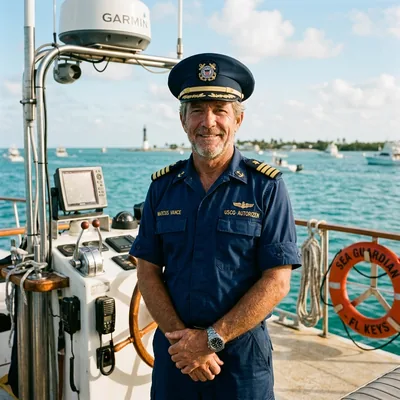
Captain Marcus Vance
Researched & Hydrographically Verified by Capt. Marcus Vance USCG Master 100-Ton Captain • 24 Yrs Keys Resident
USCG Master Near Coastal • Monroe County Marine Dispatch • Verified October 2026 • Editorial Standards

Hydrographic Geography: Why Key Largo is America's Premier Diving Hub

The Florida Reef Tract parallels Key Largo approximately 5 to 7 miles offshore. Sheltered from mainland runoff by the sheer expanse of Biscayne Bay and protected by the Florida Keys National Marine Sanctuary (established 1990), water quality on the outer barrier reef tract is maintained by constant oceanic flushing from the northward-flowing Florida Current (Gulf Stream). These bathymetric conditions yield clear sub-tropical waters with visibility frequently reaching 60 to 100 feet.


Because living corals cannot survive direct anchoring, sanctuary authorities maintain over 120 color-coded marine mooring buoys across Key Largo reefs. Vessels are legally required to tie off to these mooring buoys rather than drop bottom anchors, safeguarding fragile elkhorn, staghorn, and brain coral heads from structural destruction. Licensed charter operators depart daily from Largo Sound and canal marinas.

Reef Tract Geography: 5–7 Miles Offshore • Gulf Stream Flushing • 120+ Mooring Buoys

Key Largo Reef Sites & Shipwreck Directory

NOAA Nautical Charts 11462
Reef / Wreck SiteBathymetric DepthCertification LevelCurrent VelocityMarine Life & Features
Molasses Reef (SPA) 10–40 ft Snorkel & Open Water Mild to Moderate High-relief spur-and-groove coral, historic 1921 lighthouse tower, loggerhead turtles, and reef sharks.
Christ of the Abyss (Dry Rocks) 8–25 ft Snorkel & Open Water Low to Mild 8.5-foot submerged bronze statue, brain corals, yellowtail snapper schools, and shallow sunlit water.
USS Spiegel Grove (LSD-32) 65–130 ft Advanced Open Water Moderate to Strong 510-foot retired US Navy dock landing vessel, massive crane decks, deep swim-throughs, and goliath groupers.
French Reef Caves 15–100 ft Open Water to Advanced Mild Limestone labyrinth of underwater swim-through caverns, hourglass ledge, and large moray eels.
Benwood Wreck 25–45 ft Open Water & Snorkel Low 1942 Norwegian freighter torpedoed in WWII; intact hull ribs covered in seafans and premier night dive destination.
Grecian Rocks 6–20 ft Snorkel / Novice Low Crescent-shaped shallow reef protected from ocean swells, elkhorn coral nurseries, and stingrays.
Bathymetry Status Sanctuary Depth Range: 10 to 130 Feet
NOAA Chart 11462 Verified

Reserve Key Largo Snorkel & Scuba Charters

Book certified two-tank dive trips, Christ of the Abyss snorkel outings, and private boat charters with top USCG-licensed operators, rental gear included, and free cancellation up to 24 hours in advance.

View Snorkel & Dive Charters

USS Spiegel Grove: The Artificial Reef Titan

Measuring 510 feet in length and 84 feet in beam, the USS Spiegel Grove (LSD-32) is one of the largest ships ever intentionally scuttled to create an artificial reef (May 2002). Sitting upright in 130 feet of sand 6 miles offshore from Dixie Shoals, the ship’s upper flight deck begins at 60 feet. Advanced divers frequently encounter resident goliath groupers exceeding 400 pounds, barracuda schools, and green morays within the structural companionways and superstructure corridors.

Required: Advanced Open Water & Nitrox • Wreck Reel & Light Recommended

Molasses Reef: Sanctuary Preservation Jewel

Molasses Reef is celebrated for its extraordinary coral relief, where coral ridges ('spurs') rise 20 feet from sandy channels ('grooves'). At Buoy M16 sits the Winch Hole, where a massive iron winch drum from an 1884 schooner grounding rests among brain corals. Loggerhead and hawksbill sea turtles feed along the reef crest, while nurse sharks rest under coral ledges in clean Gulf Stream tidal currents.

Depth: 10–40 ft • 32 Mooring Buoys • Full Protection Sanctuary (SPA)

Oceanographic Current Vectors, Nitrox Blends & Night Diving Protocols

Diving the outer barrier reef tract in Key Largo requires an understanding of regional oceanographic circulation. When the Gulf Stream axis pushes inshore within 3 to 5 miles of Molasses and French Reefs, water clarity exceeds 80 feet, requiring live-boat drift diving techniques when currents accelerate between 1.5 and 2.5 knots.

For deep artificial reef excursions on the USS Spiegel Grove (LSD-32) and Duane (WPG-33), charter operators recommend Enriched Air Nitrox (EANx 32% or 36%) to extend allowable bottom times between 70 and 110 feet while minimizing nitrogen loading.

Reef Safety Standard NOAA Sanctuary Buoy Mooring & Zero-Contact Coral Mandates
FKNMS SPA Regulations

Night Diving Ecology & Sanctuary Preservation Areas

Nocturnal Reef Ecology

Divers equipped with 1,000-lumen torches observe prowling moray eels, foraging spiny lobsters, and translucent coral polyps feeding in warm currents.

Sanctuary Preservation Areas (SPAs)

Within Molasses Reef and Dry Rocks, disturbing marine life is strictly illegal. Maintaining neutral buoyancy safeguards living coral polyps.

Local full-service dive centers along the MM 100 corridor provide modern nitrox computers, high-lumen torches, and sanitized rental gear with daily visual tank inspections. Certified instructors guide student certifications ranging from Open Water to Rescue and Divemaster across sheltered Largo Sound training lagoons.

Essential Scuba Equipment, Gas Analysis & Safety Standards

Enriched Air Nitrox Analysis

Divers using EANx blends must personally analyze and log tank oxygen percentage (typically 32% or 36%) and maximum operating depth (MOD) prior to loading onto dive vessels. Proper gas calibration prevents central nervous system oxygen toxicity during deep dives.

Surface Marker Buoys (SMB)

Due to swift Gulf Stream drift currents on outer reefs, every buddy team must carry an inflatable safety sausage (SMB) and finger spool for deploying during safety stops. Bright high-visibility orange markers signal surface chase boats.

Hyperbaric Support & DAN

The Mariners Hospital Hyperbaric Chamber in Tavernier (MM 91.5) provides 24/7 multi-place emergency recompression therapy. Carrying active DAN insurance is strongly advised for all divers exploring outer shelf wrecks.


Frequently Asked Questions About Key Largo Diving & Snorkeling

Why is Key Largo known as the Diving Capital of the World?

Key Largo earned this title because it provides immediate ocean access to North America's only living barrier coral reef, featuring over 50 permanently moored spur-and-groove reef sites, historic 18th-century wrecks, and the 510-foot USS Spiegel Grove artificial reef.

Where is the USS Spiegel Grove shipwreck and how deep is it?

The USS Spiegel Grove (LSD-32) lies approximately 6 nautical miles offshore from Key Largo in 134 feet of water, with its upper deck structures rising to within 60 feet of the surface, making it an elite destination for certified advanced open-water divers.

Can beginners snorkel the offshore reefs in Key Largo?

Yes. Shallow barrier reef sites like Grecian Rocks (depths 4 to 18 feet) and Key Largo Dry Rocks provide calm, shallow waters with extensive spur-and-groove coral formations suitable for beginners and families.